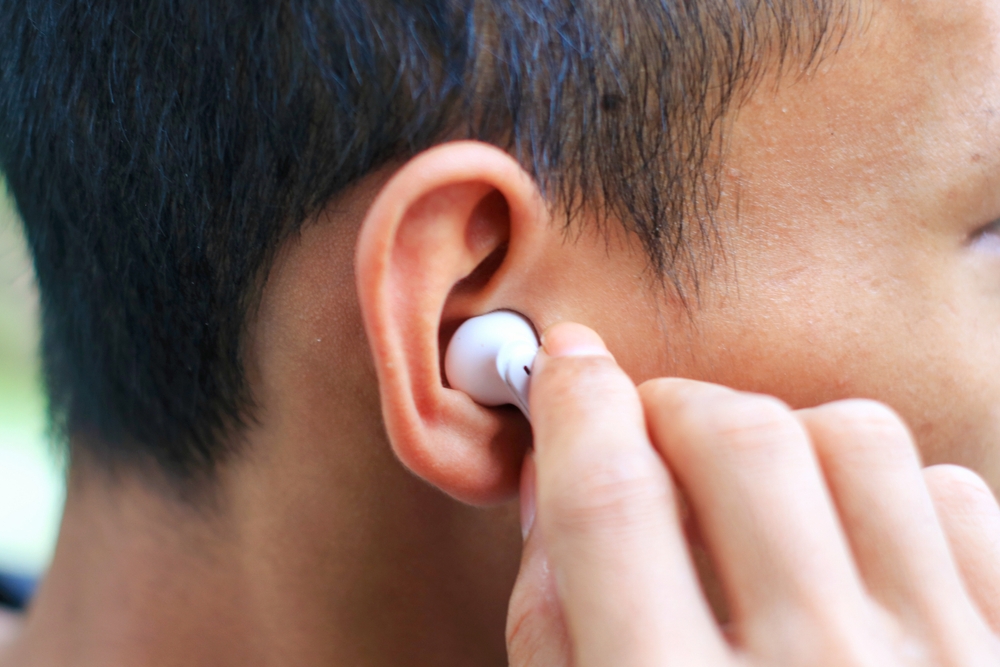
We seldom encounter a teenager or young adult who isn’t currently using a personal audio device. Even with their larger footprint, headphones remain a popular choice for teenagers looking to disconnect from the world. The appreciation for music is a cross-generational trait, yet younger individuals often depend on it for constant background stimulation. This leads to the clinical question: can the proximity of these devices to the ear canal trigger permanent auditory damage? The danger is not inherent to the technology but is instead a product of specific usage habits.
Too Much of a Good Thing
Listening to music can be relaxing, soothe our souls, or wind us up. The outcome is entirely dependent on the genre and frequency of the audio. Employing in-ear monitors is an effective method for maintaining acoustic privacy in public environments. This behavior is socially beneficial, and commuters often report a preference for this shared auditory boundaries on public transit.
The essential inquiry remains: at what decibel level and timeframe does listening become dangerous? It is well-established that loud noise, regardless of the source, can compromise your long-term hearing sensitivity. Combining high-intensity sound with extended exposure times can lead to permanent sensorineural damage. The onset of **Noise-Induced Hearing Loss** is insidious, meaning significant damage often precedes clinical awareness.
Why Earbuds Pose a Unique Threat to Hearing Health
The intensity of the decibels is the leading risk factor for permanent auditory trauma. Nevertheless, the timeframe of the sound exposure is just as critical a factor as the intensity itself.
- According to the NIH, maintaining a threshold below 70 dB ensures safety, even during extended listening periods.
- High-intensity sound waves cause cellular damage in a fraction of the time required by moderate sounds.
- To protect your ears, utilize the 60/60 guideline: never exceed 60% power and rest after 60 minutes of use.
- Taking control of your volume slider and managing your time is the best defense against hearing loss.
Red Flags: When to Suspect Hearing Impairment
If you commonly hear muffled sounds, find it difficult to understand conversations in noisy places, have ringing in your ears (tinnitus), and frequently ask people to repeat what they said or to speak louder, it’s time to have a hearing exam with a professional.
Reach out to our care team immediately if you are concerned about your current hearing sensitivity.
