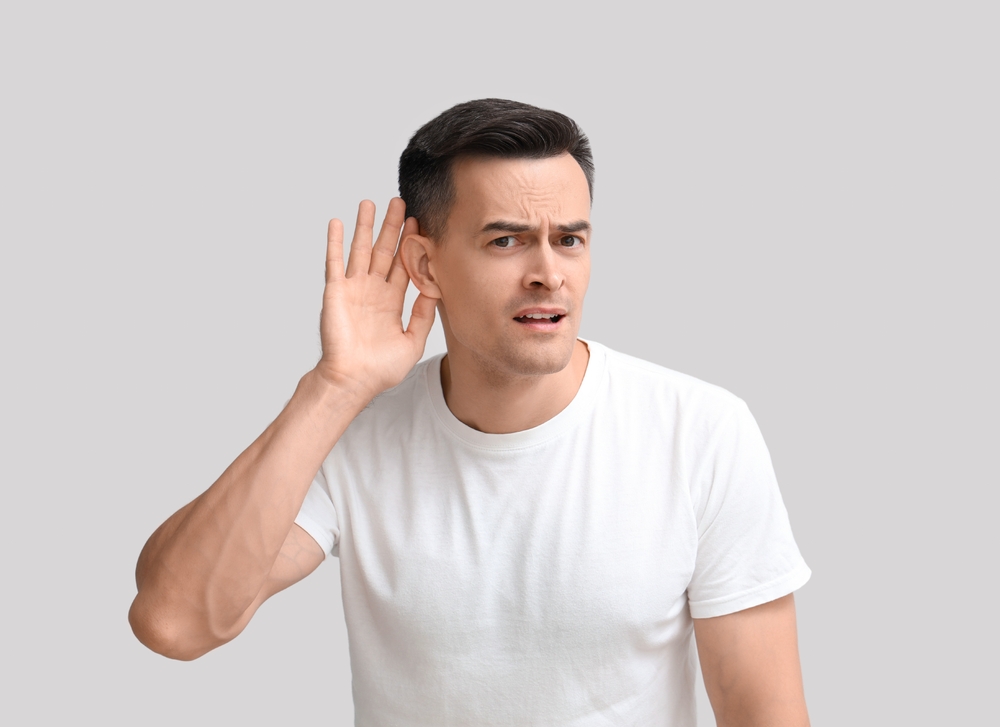
Have you ever felt totally drained after a long conversation or social gathering?
You might initially blame your exhaustion on general tiredness or a busy lifestyle. And it’s true that for introverts or people with sensory issues, social situations can be exhausting. But in some cases, the cause is a lesser-known culprit: auditory fatigue.
Auditory fatigue happens when your brain has to work harder to process sound. If auditory input is degraded, the brain must engage in constant phonemic restoration to bridge the gaps in speech. This persistent neurological demand inevitably results in deep mental and emotional burnout.
Auditory fatigue is frequently misidentified as standard physical or mental lethargy. However, it can actually be an early sign of hearing difficulties. A professional diagnostic evaluation is necessary to confirm if hearing loss is the root cause of your exhaustion. Persistent patterns of post-social exhaustion warrant a discussion regarding the impact of hearing loss.
What Causes Auditory Fatigue?
The risk of developing auditory fatigue is increased by several physiological and environmental factors.
The Impact of Unmanaged Hearing Loss
Failing to address hearing loss is a major factor in the development of persistent auditory fatigue.
The inability to capture high-frequency sounds forces the brain to work double-time to interpret the message. This constant guesswork increases listening effort, which can quickly lead to mental exhaustion during conversations.
The Challenge of Complex Soundscapes
Locations with poor acoustics often act as a tipping point for auditory fatigue. Loud public spaces, corporate boardrooms, and large social gatherings typically feature high levels of competing ambient noise.
Processing concurrent audio streams requires the brain to perform intense “auditory scene analysis” to find the primary speaker. The resulting cognitive overload is particularly severe for those managing even marginal degrees of hearing loss.
Tinnitus and Sound Distortion
Tinnitus, often described as ringing or buzzing in the ears, can also contribute to listening fatigue because the brain must process external sounds and internal noise signals simultaneously.
Sound distortion caused by hearing loss can further increase strain, forcing the brain to work even harder to understand speech.
How to Recognize the Onset of Auditory Fatigue
This type of fatigue often degrades both your ability to concentrate and your general vitality. Patients often present with the following indicators:
- Feeling mentally drained after conversations
- Difficulty concentrating during meetings or group discussions
- Headaches after long listening periods
- Feeling “on edge” or frustrated when trying to follow a conversation
- Social retreat to avoid the stress of auditory processing
- Needing a nap or quiet time after social interaction
If these symptoms occur frequently, it may indicate that your ears and brain are working harder than they should.
How the Brain Compensates for Hearing Impairment
With healthy hearing, the brain’s speech recognition pathways operate with high efficiency. Conversely, hearing loss forces the brain to redirect energy from other executive functions to assist in sound decoding.
In clinical literature, this phenomenon is identified as a surge in cognitive load. It’s where the brain redirects energy from other tasks (like memory and focus) to figure out what someone is saying. Sustained energy redirection eventually results in a state of total mental insolvency. Standard dialogue, which should be easy, becomes a high-intensity cognitive task.
Diagnosing the Source of Your Fatigue
When fatigue becomes a daily burden, a professional evaluation provides the necessary data for a solution. During a comprehensive hearing test, an audiologist will measure how well you hear different tones and speech sounds. Specialized “speech-in-noise” testing is often used to uncover deficits that are invisible during standard quiet-room exams.
A comprehensive hearing test can determine whether hearing loss is contributing to your fatigue and help guide the next steps for treatment. Early diagnosis facilitates prompt intervention, preventing the onset of chronic cognitive load issues.
Restoring Energy Through Hearing Care
Addressing the underlying impairment is the most direct way to eliminate auditory fatigue.
Current digital technology restores the signal-to-noise ratio, providing the brain with a cleaner audio feed. This allows the brain to receive clearer signals without constantly trying to fill in missing sounds.
Once auditory strain is reduced, the following areas often show significant improvement:
- A feeling of being more “awake” and present throughout the day
- Focus during conversations
- Comfort in social settings
By reducing neural over-exertion, your daily life regains its sense of ease and fluidity.
Recognizing the Right Moment for a Hearing Test
It may be time to schedule a hearing evaluation if:
- Socializing feels like a high-intensity mental workout
- Others comment on your need for frequent repetition during social calls
- Following a group talk in a restaurant feels nearly impossible
- You have begun declining invitations because you are tired of the effort to hear
Resolving these issues today ensures a higher standard of living and better cognitive health for the future.
FAQs About Auditory Fatigue
Distinguishing Between Exhaustion and Impairment
Actually, no; auditory fatigue is the cognitive result of the strain, not the physical impairment itself. While they are different, hearing loss is the direct driver of most fatigue cases.
Can Technology Lower My Cognitive Load?
Yes—current technology is specifically designed to minimize the cognitive cost of communication.
Can I Recover from Auditory Fatigue?
Most patients find that their energy returns once the listening “gap” is closed with technology.
End Your Struggle with Auditory Fatigue Today
Socializing should replenish you, not leave you feeling drained. When simple listening becomes a chore, it is a sign of an inefficient auditory processing loop.
Schedule your hearing test today by contacting us today. Empowerment, confidence, and peace of mind start with understanding what’s happening with your hearing.
