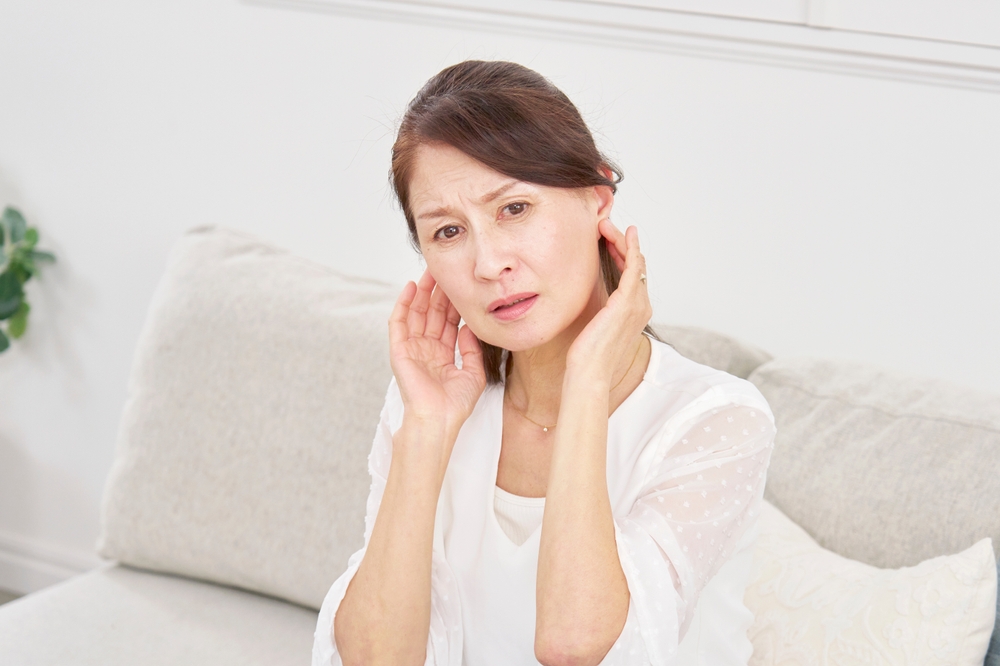
Discovering an unexpected inability to hear upon waking is a deeply alarming scenario. This specific hearing impairment is strikingly sudden, often manifesting without prior warning signs or advanced signals. While some causes are transient and easily treated, others demand immediate clinical intervention.
Identifying the frequent catalysts for fast hearing loss and acting decisively can profoundly impact your recovery path. Below, we’re looking at sudden hearing loss, possible causes, and how to access professional care.
Understanding Rapid Auditory Decline
We define sudden hearing loss as a distinct drop in hearing sensitivity spanning several hours to a maximum of three days. This loss is usually one-sided, although it can show up in both ears under specific circumstances. Some people notice muffled sound, while others experience a ringing sensation known as tinnitus, fullness in the ear, or difficulty understanding speech.
Navigating SSHL: A Medical Priority
SSHL is one of the most critical conditions for an audiologist to investigate quickly.
This type of hearing loss occurs when there’s a problem with the inner ear, auditory nerve, or brain pathways involved in hearing. The source is frequently idiopathic, though medical professionals identify several probable contributing elements:
- Decreased blood flow to the inner ear
- Internal inflammation and abnormal immune system activity
- Underlying viral activity affecting the ear
- Complex neurological conditions
Because the window for successful treatment is so narrow, SSHL is handled as an urgent crisis where early care dictates the outcome.
Viral Infections
Pathogenic activity often leads to inflammation in the auditory canal, resulting in major auditory changes.
The following viral conditions are frequently associated with sudden onset hearing issues:
- Normal upper-airway viral activity
- The seasonal flu virus
- Neural infections
- COVID-19–related viral effects
Hearing changes may appear during or shortly after an illness and may be accompanied by dizziness or ear fullness.
Head or Ear Trauma
Major head trauma, sudden pressure fluctuations, or acoustic shocks are proven to damage the sensitive components of the hearing system.
Trauma-related causes include:
- Head injuries or concussions
- Sudden shifts in ear canal pressure
- Acute loud sound exposure
- Fluid leaks or shifts inside the labyrinth
Auditory symptoms that follow even a minor head or ear injury require a specialist review.
Earwax Buildup or Blockage
While cerumen buildup is typically benign, a significant blockage can trigger an immediate shift in auditory clarity.
Cerumen-induced hearing loss may:
- Occur almost instantaneously
- Result in a feeling of obstruction or “stuffiness”
- Show a distinct unilateral bias
- Improve once the blockage is professionally removed
Critically, a self-diagnosis at home cannot properly differentiate between a simple blockage and a nerve-related crisis. Therefore, seeking a professional clinical opinion is the only safe course of action.
Less Common Drivers of Sudden Hearing Impairment
Other variables that can affect a sudden drop in hearing include:
- Medication side effects
- Vascular health issues affecting the ear
- Abnormal immune responses targeting the auditory system
- Tumors affecting the auditory nerve
Undergoing a full hearing workup is the only way to accurately identify or dismiss these factors.
Why Acting Fast Matters for Sudden Hearing Changes
The single most critical piece of advice for sudden deafness is to seek care without any hesitation.
Seeking a rapid clinical assessment allows you to:
- Uncover treatable factors behind the hearing decline
- Maximize the potential impact of clinical therapies
- Prevent further hearing damage
- Limit long-term communication challenges
Comprehensive audiology diagnostics provide the essential data needed to manage the condition effectively.
Identifying Red Flags for Urgent Hearing Care
Immediate clinical attention is required if any of the following symptoms manifest:
- An abrupt inability to hear clearly in either ear
- Auditory shifts paired with a distinct sense of dizziness
- The rapid onset of tinnitus or aural fullness
- Auditory decline following a viral infection or physical trauma
Even if symptoms improve, you still require a formal assessment to identify the root cause.
Rapid Diagnostics for Auditory Clarity
A professional test provides an immediate answer as to if the impairment is:
- Conductive (related to blockage or middle ear issues)
- Sensorineural, affecting the inner ear or hearing nerve
- A reversible shift or a chronic auditory decline
Initiating diagnostics early facilitates more effective medical choices and improved recovery.
Final Thoughts on Addressing Abrupt Hearing Loss
Abrupt hearing loss is bound to feel alarming, but the sooner you seek care, the more options you may have to address it.
Upon noticing an unexpected change in your hearing, getting a professional evaluation can protect your auditory wellness and your peace of mind. We’re here for you if you experience sudden hearing loss: Call our care team as soon as possible at our office for the help you need.
