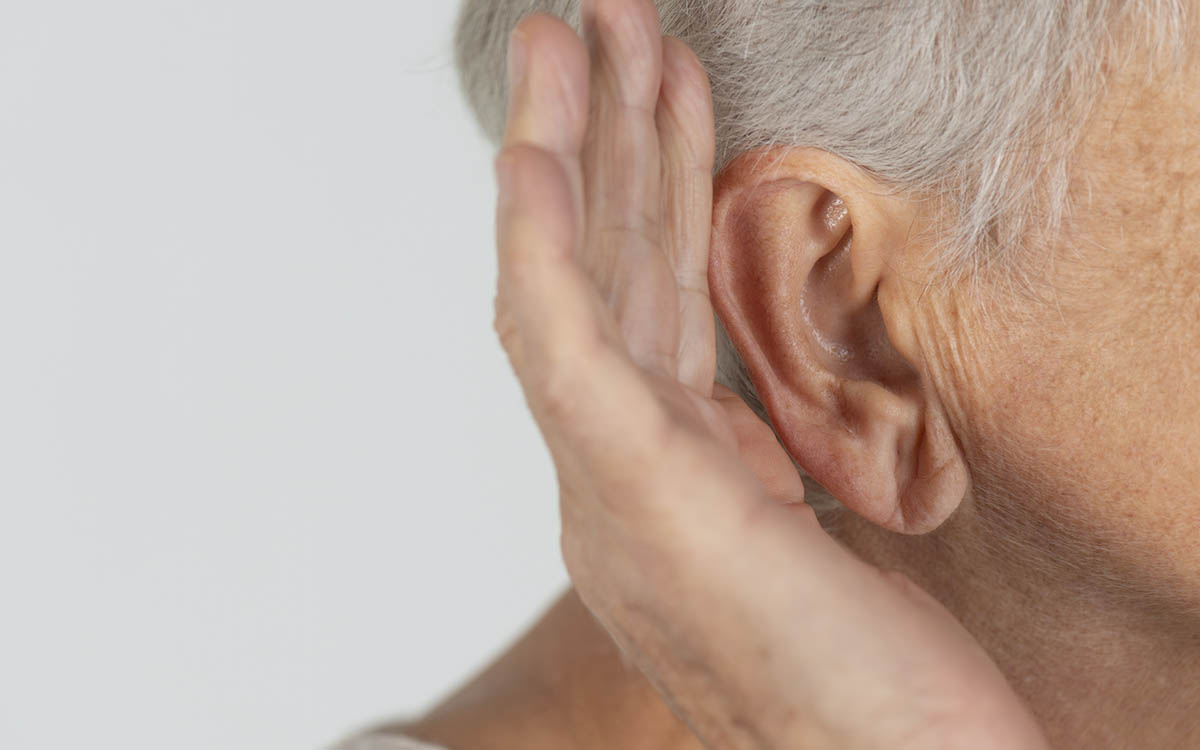
Public perception frequently ties hearing loss with advancing age, though for a significant portion of the population, auditory trauma initiates much earlier in life. As one of the most prevalent and avoidable types of auditory impairment, noise-induced hearing loss typically progresses slowly, but it often occurs gradually and goes unnoticed until the effects are permanent.
Understanding how noise exposure impacts your ears over time facilitates proactive protection before significant hearing loss occurs.
Establishing the Parameters of Acoustic Injury
The pathology of noise-induced hearing loss involves trauma to the sensitive anatomical structures within the inner ear. As reported by the CDC, sounds above 85 decibels (roughly the volume of heavy traffic) can begin to cause hearing damage with repeated or prolonged exposure. Intense noise sources, specifically firearms or industrial tools, can compromise hearing integrity within a very brief timeframe.
The internal auditory system houses delicate sensory units termed hair cells. These receptors facilitate the conversion of acoustic vibrations into electrical signals decoded by the brain. The inability of hair cells to regenerate after trauma explains why noise-induced hearing loss results in a permanent auditory deficit.
The Advancement of Auditory Trauma
It is clinically significant that noise-induced hearing loss often manifests through a slow, cumulative process. Initial signs of auditory overexposure may present as:
- Short-term episodes of Tinnitus or buzzing within the ears
- Sensations of dampened or muffled auditory perception following noise exposure
- Reduced ability to distinguish vocal communication in loud surroundings
The cessation of these early symptoms often leads to the false perception that the auditory system has fully healed. In reality, repeated noise exposure continues to injure inner-ear structures, incrementally diminishing auditory acuity and threshold sensitivity.
According to the hearing loss Association of America, nearly 48 million citizens live with hearing loss, frequently with unidentified etiology.
Common Environmental Sources of Ear Injury
We live in a noisy world, and it’s easy to become desensitized to loud sounds. Due to this, the commonality of injurious sound exposure often goes unrecognized.
Identified hazardous sources may include:
- Professional music performances and concert environments
- High-volume output from personal listening equipment
- Gas-powered lawn tools, industrial machinery, and motorcycles
- Industrial workplace environments such as warehouses and construction sites
The everyday occurrence of these sounds allows for progressive damage to develop without obvious warning.
The Imperative of Hearing Safeguards
A distinguishing factor of noise-induced hearing loss is the lack of clinical reversal options. Despite its permanence, the condition is significantly preventable. Adopting straightforward preventative behaviors can markedly decrease the likelihood of injury, including:
- The application of earplugs or attenuation earmuffs in loud areas
- Limiting headphone decibels and implementing the 60/60 rule for safe listening
- Taking listening breaks to give your ears time to recover
- Ensuring consistent Audiology check-ups for those in high-noise environments
Guidelines for Consulting Hearing Screenings
If you notice persistent ear ringing, difficulty following conversations, or changes in hearing clarity, you should seek evaluation from a hearing professional. Prompt clinical evaluation is vital for tracking auditory status and formulating effective hearing preservation plans.
Protecting your ears today helps ensure clearer hearing tomorrow. While environmental noise is often inevitable, hearing loss is a preventable outcome. We invite you to schedule an appointment with our team to optimize your hearing function.
