When your hearing feels obstructed, it can interfere with your daily routine and leave you feeling withdrawn from your surroundings. While the anxiety of lasting hearing damage is a common first reaction, the true source is frequently a simple collection of canal debris.
Grasping the difference between earwax buildup vs. hearing loss can help you determine when a simple solution is possible and when it’s time to request a hearing assessment. There is no reason to feel overwhelmed if auditory inputs seem muted. While only an audiologist can confirm the cause, understanding these key markers of wax vs. hearing loss can provide instant clarity.
Recognizing the Markers of Earwax Blockage
Your canals generate wax as a natural defense process to maintain health and keep debris away from the tympanic membrane. The trouble starts when this material collects to the level of a physical obstruction.
Signs of a blockage often feature:
- Muted sound quality that manifests gradually or overnight
- The perception that there is a mechanical plug in the canal
- General ear discomfort or minor soreness
- Ringing in the ear (ringing)
- Sound sharpness that changes or improves briefly with jaw movement
Because obstructions are tangible, they commonly impact just a single ear at a point rather than each equally. Thankfully, extracting the obstruction typically resolves the symptoms instantly.
How Hearing Impairment Usually Manifests
Unlike a brief obstruction, sensorineural hearing deficit typically progresses slowly over decades and is not resolved by clearing the ear.
Markers of permanent hearing loss often feature:
- Battling to follow conversations when ambient sound is audible
- Constantly asking others to restate themselves
- Increasing the television or phone volume higher than people prefer
- Reduced responsiveness to high-frequency auditory input
- A symmetrical reduction in hearing function in both ears
A vital difference is that true loss misses the tangible “clogged” sensation that accompanies an earwax impaction.
At-a-Glance: Cerumen vs. Auditory Decline
By analyzing the timing and specific markers, you can frequently identify which condition is affecting you:
- Progression: Blockages can feel sudden, while auditory decline is almost always slow
- Sustainability: Clogs are a quick fix, while nerve loss needs ongoing care
- Feelings: Tactile “plugging” points to cerumen, while the struggle to differentiate sounds points to loss
- Sides: Unilateral muffled sound suggests wax, while both sides point to impairment
Why Professional Intervention is Necessary
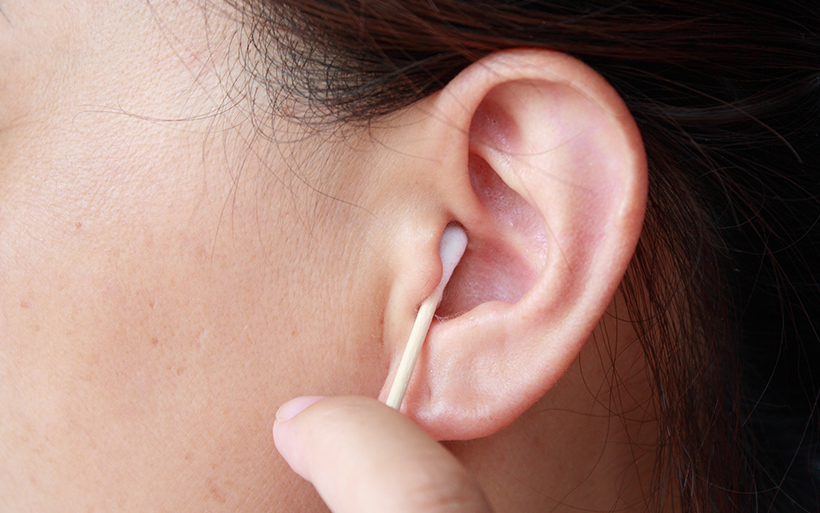
You may feel compelled to assume earwax is the culprit — and reach for cotton swabs or store-bought kits. Using foreign items commonly shoves the plug deeper into the canal, increasing the danger of injury.
According to the National Library of Medicine, placing objects into the auditory canal raises the risk of blockage and injury.
On the other hand, presuming a problem is merely wax when it is truly auditory impairment can hinder you from getting the help you require to remain connected.
How a Clinical Evaluation Assists
A quick professional exam is the primary way to confirm if wax is actually the source of your muffled hearing.
When wax is the issue, clinical irrigation or manual clearance delivers instant relief.
When the ear is unobstructed but auditory input is still muffled, a clinical test is required to evaluate your auditory health.
The National Institute on Deafness and Other Communication Disorders (NIDCD) advises immediate evaluation anytime shifts in hearing interfere with your everyday routine.
Finding the Right Solution for Improved Hearing
Dampened sound is hardly a certain marker of long-term loss.
Frequently, the problem is simply an accumulation of cerumen that can be quickly resolved.
A professional assessment will give you the answers you require to advance without worry.
Please note that home assessment is hardly a replacement for a professional check-up when it comes to your hearing.
Finding clarity promptly can avert pointless worry and guarantee you receive the appropriate care at the right time.
If your auditory sense feels off, avoid guesswork. A brief check can make all the difference, so contact our practice of specialists right now.
