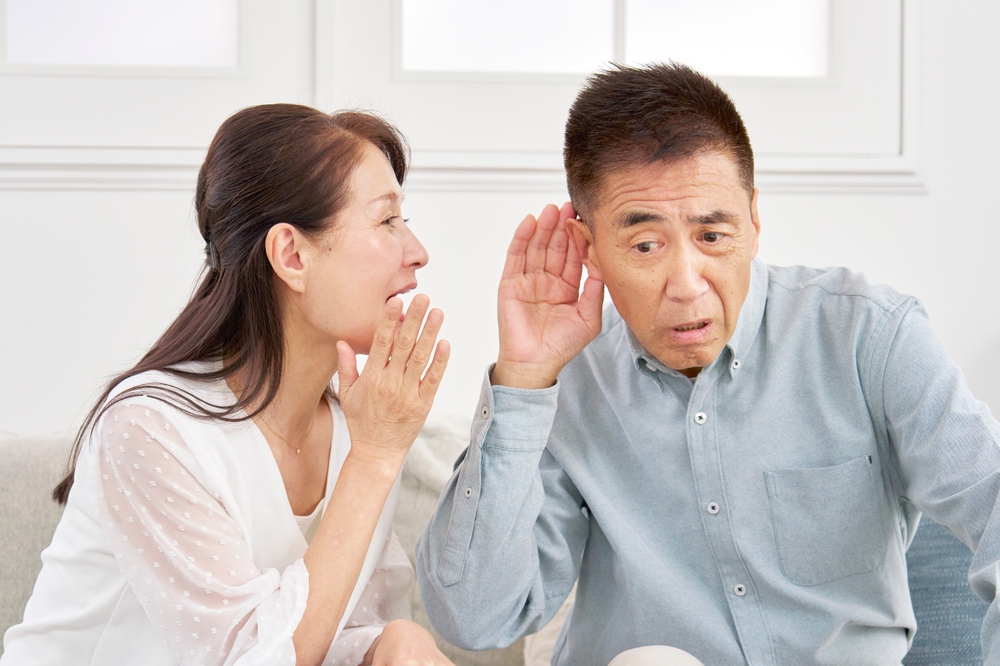
While auditory decline is statistically prevalent, pervasive misconceptions often deter individuals from pursuing clinical intervention. Proactive management of hearing loss ensures the best possible outcomes for auditory preservation. Accepting hearing myths as fact typically results in late-stage intervention and diminished communicative function.
If you have concerns about your hearing, knowing the truth (and the myths!) can help you make informed decisions about your health and proceed with greater confidence. We will now examine seven prevalent auditory myths and the clinical evidence that refutes them.
The Fallacy of Senior-Only Hearing Loss
Though presbycusis is a standard clinical finding, hearing loss impacts every biological demographic. Factors such as acoustic trauma, genetic markers, ototoxic drugs, and viral infections trigger hearing issues in youth.
Assuming hearing loss is only an “aging issue” can prevent people from recognizing early symptoms and seeking appropriate care.
Myth: Hearing Perception Rules Out Impairment
Hearing loss doesn’t have to mean complete deafness. In fact, many people with mild or moderate hearing loss can still hear sounds, but they struggle to understand speech clearly. A broad range of auditory dysfunctions exists between asymptomatic hearing and complete deafness.
You might notice difficulty following conversations in noisy environments, frequently asking others to repeat themselves, or feeling mentally exhausted after social interactions. These markers represent initial auditory shifts that warrant a professional evaluation.
Hearing Impairment: More Than a Social Nuisance
The ramifications of unmanaged hearing loss extend far beyond simple conversational struggles. Evidence-based research correlates auditory neglect with social anxiety, mental fatigue, and depressive symptoms.
Seeking early treatment safeguards your social connections and your long-term neurological function.
Myth Four: The Deterioration Fallacy
There is no clinical evidence to suggest that proper use of hearing aids speeds up auditory decline.
Hearing aids do not damage your ears. They provide customized amplification that fills the exact deficits revealed during your professional assessment. In many cases, using hearing aids can help the brain stay engaged in processing sound, supporting long-term auditory health.
5. Myth: Hearing Aids Are Large and Obvious
The landscape of audiological hardware has undergone a radical digital transformation. Today’s devices are smaller and more powerful than ever. Patients can now choose custom-molded options that sit deep within the ear canal for total discretion.
Modern tech includes advanced directional microphones and wireless streaming directly to the patient’s ears.
6. Myth: If My Hearing Loss Is Mild, I Don’t Need Treatment
Even a subtle auditory deficit can significantly increase the cognitive load required for daily conversation. Early treatment helps prevent listening fatigue and reduces the strain placed on the brain during conversations.
The earlier that hearing changes are addressed, the easier it is to adapt and maintain strong communication skills.
Myth: One-Size-Fits-All Hearing Solutions Work for Everyone
While OTC options offer simple volume boosts, they cannot address the unique nuances of your ear health. A professional hearing evaluation ensures that treatment is tailored to your individual needs.
The difference between “generic” and “custom” is measured in both physical comfort and speech understanding.
Your Path to Clarity: Rejecting Common Hearing Fallacies
Auditory shifts can be daunting, leading many to avoid the clinic through a “denial” response. Relying on misinformation ensures that your auditory challenges will become more difficult to manage. You’ll find that a hearing screening is a comfortable and highly enlightening clinical experience.
If your ears feel “different,” scheduling a formal evaluation is the responsible next step for your health. Prompt action protects your ability to engage with the world and maintains your mental well-being.
For more information or to book your next hearing test, please contact our clinic today. Call us today for a consultation.
