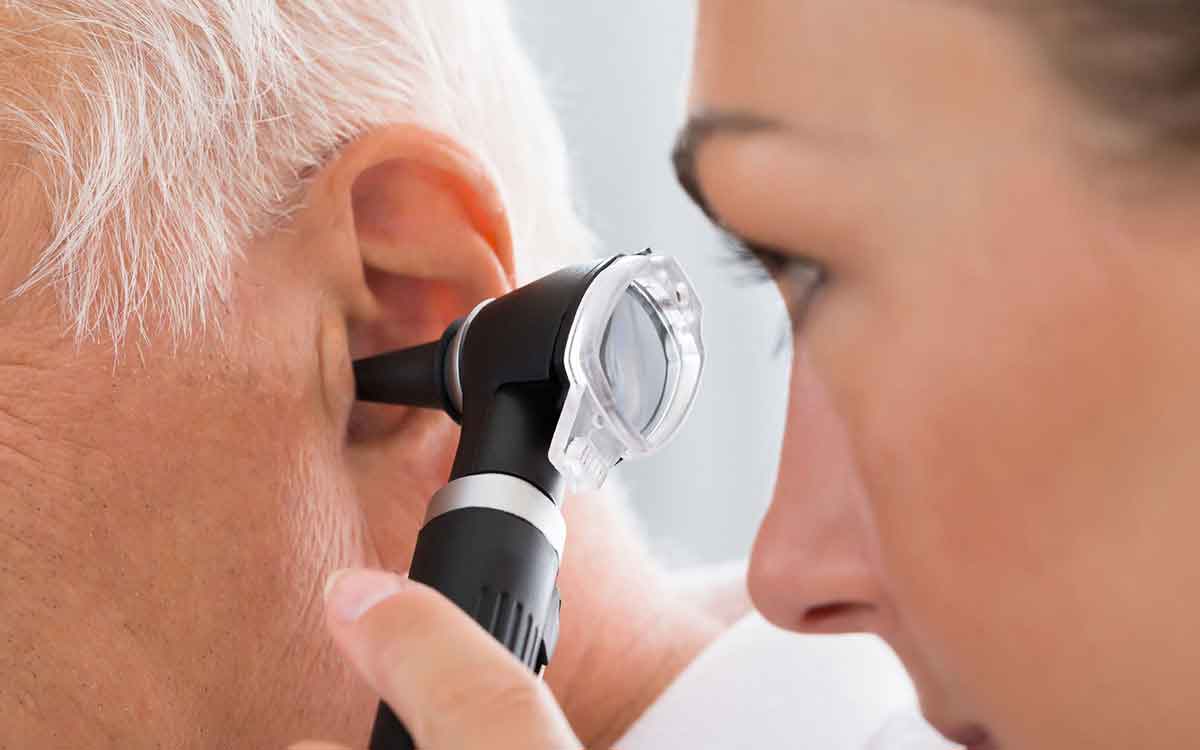
Auditory decline frequently advances as an incremental process, which often results in the condition being missed during its initial onset. Subconscious adjustments, such as turning up the television or requesting verbal repeats, often mask the early progression of hearing loss.
Seeking an early evaluation can help preserve hearing, enhance interpersonal dialogue, and safeguard overall well-being.
Recognizing Typical Early-Stage Hearing Loss Symptoms
If you notice any of the following symptoms, it may be time to have your hearing checked.
- Reduced clarity during dialogue within high-noise areas.
- Frequently requesting others to repeat information.
- The perception of indistinct vocal communication where sounds lack definition.
- Turning up the volume on the TV, phone, or radio higher than others prefer.
- Trouble perceiving high-frequency audio, including high-frequency vocalizations, birds, or electronic alerts.
- The presence of tinnitus, characterized by ringing or buzzing in the ears.
- Mental drain following dialogue caused by persistent listening effort.
- Withdrawing from social gatherings because dialogue has become stressful.
These early signs of hearing loss can affect either ear and can be intermittent at first. Since the auditory cortex adjusts to input shifts, subconscious adjustments often go unnoticed until clinical hearing loss is substantial.
Hearing Loss By The Numbers
According to official WHO data, more than 700 million people will necessitate hearing rehabilitation by 2050. Other significant statistics include:
- By 2050, nearly 2.5 billion people are projected to experience some degree of hearing loss.
- More than five percent of the global community (roughly 430 million people) requires rehabilitation to manage disabling hearing loss.
- More than 1 billion younger individuals are at risk of avoidable hearing loss due to hazardous acoustic habits.
- Among those over the age of sixty, over 25% suffer from clinically significant hearing loss.
The Critical Importance of Early Identification
Failure to address auditory decline influences systemic well-being and physiological status.
Data confirms a connection between untreated hearing loss and an increased likelihood of dementia and diminished balance.
Treating symptoms at the onset facilitates a broader range of interventions and improved clinical results.
A hearing evaluation can determine if shifts stem from age-related hearing loss, noise exposure, earwax buildup, infection, or underlying pathology.
In some cases, hearing changes are temporary and treatable.
For chronic conditions, the timely use of ear defense or devices assists in managing the condition.
Indications for a Professional Hearing Evaluation
It is recommended to get a consultation with a hearing specialist if:
- Early signs last longer than a brief period.
- Difficulty hearing begins to influence professional tasks or personal routines.
- Instances of sudden decline, vertigo, or persistent ringing require urgent evaluation.
Hearing evaluations are noninvasive and provide essential data about your ear health.
We encourage you to contact our facility if you believe a hearing assessment is necessary.
Frequently Asked Questions: Recognizing Auditory Decline
Q: Is hearing loss always age-related?
A: No, while aging is a factor, hearing loss can be precipitated by acoustic trauma, infection, or systemic health issues.
Q: Can auditory impairment be clinically reversed?
Answer: Specific causes, including earwax blockage, may be susceptible to reversal through treatment. Permanent sensorineural hearing loss is typically managed using advanced hearing devices and management protocols.
Q: At what intervals should I have my hearing evaluated?
Answer: Clinical guidelines suggest a baseline evaluation by the age of 50, or earlier if symptoms of hearing loss are noticed.
